

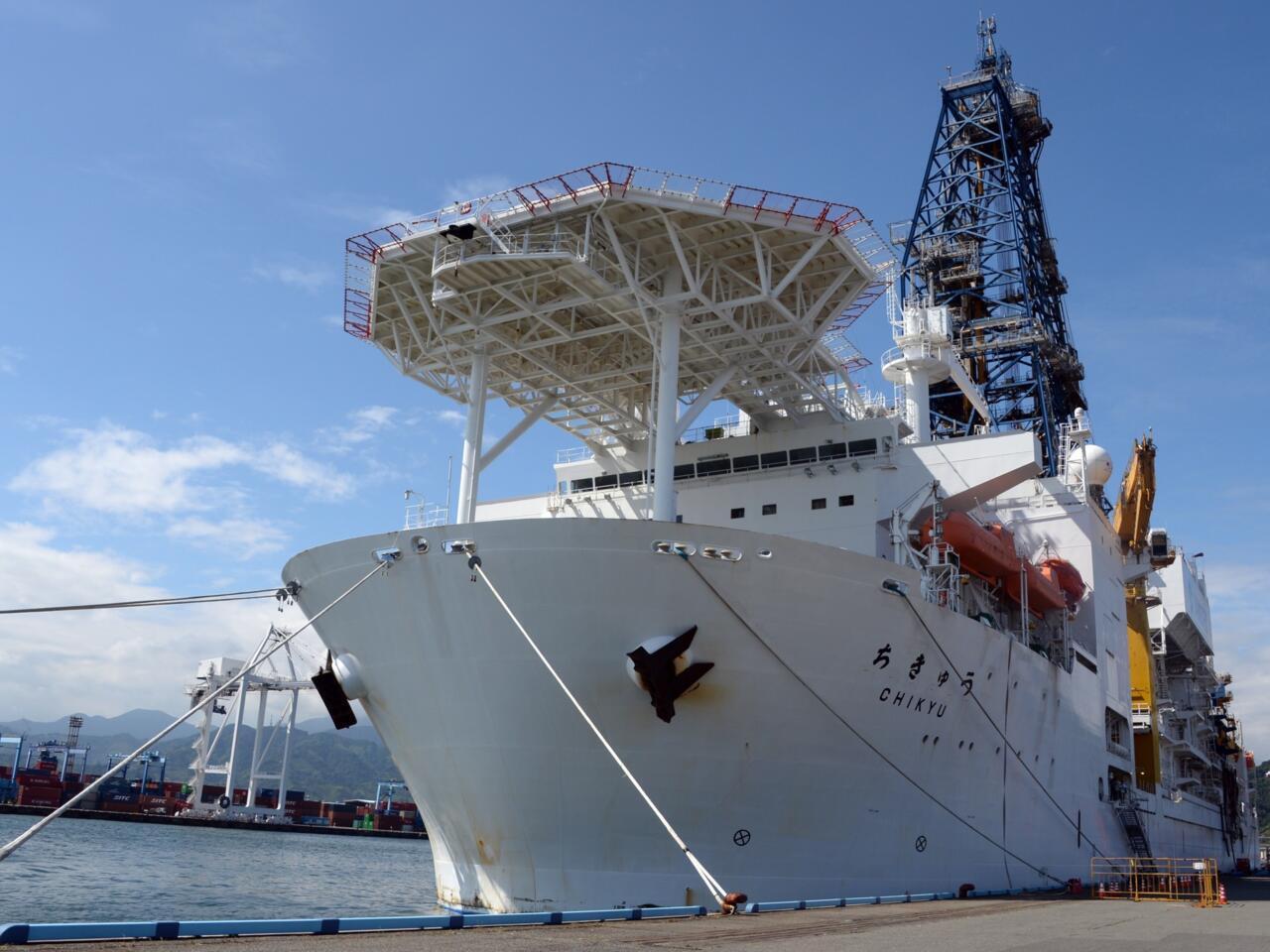
In the heart of the vast Pacific Ocean, roughly 2,000 kilometers southeast of Tokyo, a bold and ambitious project is unfolding. Japan, a nation historically dependent on imports for critical minerals, is preparing to pioneer the commercial extraction of rare earth metals from the ocean floor. This high-stakes endeavor is not merely a scientific experiment; it is a cornerstone of a calculated national strategy to achieve supply chain security and dramatically reduce its reliance on China, the global powerhouse of rare earth elements.
The Critical Mineral Conundrum
Rare earths—a group of 17 metals with names like neodymium, dysprosium, and praseodymium—are misnamed not by scarcity, but by the difficulty of extracting them in usable form. They are the lifeblood of modern technology, essential for manufacturing everything from electric vehicle motors and wind turbines to advanced electronics, missile guidance systems, and industrial robots.
For decades, global manufacturing, and particularly Japan’s high-tech economy, has relied heavily on China. At its peak, China controlled over 90% of global production and refining. This near-monopoly has been a persistent vulnerability. The world got a stark reminder in 2010 when a diplomatic dispute led China to restrict exports to Japan, sending shockwaves through its tech industry and sharply highlighting the geopolitical risks of concentrated supply.
Turning to the Deep: The “Treasure Mud”
Japan’s solution lies beneath 5,000 to 6,000 meters of water. Within its Exclusive Economic Zone (EEZ), around the remote island of Minami-Torishima, lies a vast deposit of deep-sea mud. Discovered over a decade ago by a team from the University of Tokyo, this “treasure mud” is extraordinarily rich in rare earths. Initial surveys suggest the deposit contains hundreds of years’ worth of yttrium and decades’ worth of other critical metals, potentially meeting Japan’s demand for centuries.
The plan, spearheaded by a consortium including the Japanese government, the Japan Organization for Metals and Energy Security (JOGMEC), and corporate partners, involves a multi-stage, highly engineered process:
- Excavation: Specialized ships will use massive pumps to bring the mud from the seabed.
- Processing: The slurry will be treated to remove water and then undergo a leaching process using a unique technique developed by Japanese researchers to efficiently separate and concentrate the rare earth elements.
- Refining: The concentrated ores would then be shipped to land-based facilities for final refining into metals usable by industry.
Why This Is More Than Just Mining
Japan’s deep-sea mission is a strategic play with multiple objectives:
- Economic Security: Securing a stable, domestic source of rare earths is paramount for protecting its world-leading automotive, electronics, and green technology sectors from future supply shocks.
- Geopolitical Leverage: Reducing dependence on China provides Japan with greater diplomatic and economic freedom. It aligns with broader efforts by the G7 and allied nations to diversify critical mineral supply chains away from adversarial dominance.
- Technological Leadership: Successfully commercializing deep-sea extraction would position Japan as a global leader in a groundbreaking and potentially revolutionary field of resource exploration. This “first-mover” advantage could be exported as technology and expertise.
- Green Transition: Access to these metals is non-negotiable for Japan’s and the world’s transition to renewable energy and electric mobility. A secure supply chain is essential for its climate goals.
Navigating Murky Waters: The Challenges Ahead
The path from ambition to reality is fraught with significant hurdles:
- Technical & Financial Viability: Deep-sea mining at this scale and depth is unprecedented. The engineering is complex, the costs are colossal, and the harsh ocean environment poses immense operational risks. The consortium must prove it can be done both safely and profitably.
- Environmental Concerns: While proponents argue that deep-sea mud mining has a lower surface footprint and avoids the toxic tailings ponds of terrestrial mines, the long-term impact on deep-sea ecosystems—some of the least understood on Earth—is a major concern. Japan faces intense scrutiny from environmental groups and the international community and must establish a gold standard for environmental stewardship.
- Economic Competition: Even if extraction is successful, Japanese rare earths must compete on cost with established land-based suppliers. Continuous innovation in processing efficiency will be key.
A Global Test Case
The world is watching. Japan’s venture is at the forefront of a new frontier in resource security. Its success could catalyze similar projects in other maritime nations with deep-sea mineral claims, fundamentally redrawing the global rare earth map. Its failure would reinforce the immense difficulty of challenging China’s entrenched position.
Conclusion: A Calculated Dive into the Future
Japan’s drive to mine deep-sea rare earths is a clear declaration that it will no longer allow a critical vulnerability to define its economic future. It is a monumental gamble, blending cutting-edge technology with high-stakes geopolitics and environmental responsibility. While the technical and economic challenges are profound, the strategic imperative is undeniable. As Japan prepares its pumps and submersibles, it is not just digging for mud; it is digging for independence, security, and a leading role in shaping the resource landscape of the 21st century. The success of this mission will resonate far beyond its shores, offering a potential blueprint for how technologically advanced nations can seek to secure their own destinies in an era of heightened geopolitical competition.