

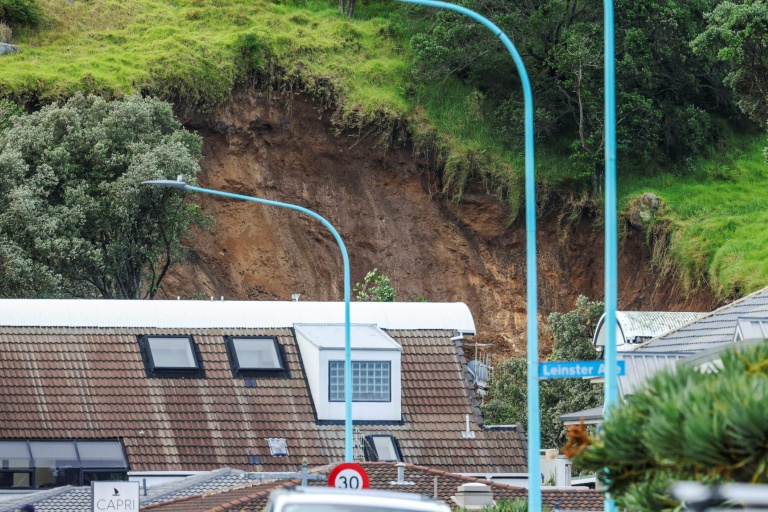
The rugged, rain-lashed beauty of New Zealand’s landscapes has turned treacherous. Communities across the country are facing anxious vigils, with emergency services confirming multiple people are missing following a series of significant landslips triggered by a severe and sustained weather event.
The situation remains dynamic and grave. The most serious incidents are concentrated on the nation’s west coasts, where saturated hillsides have given way. In the South Island’s West Coast region, a major slip near the town of Franz Josef has cut the only road access and is believed to have engulfed vehicles. Initial reports indicate at least five people are unaccounted for in this single event. Further north, in the Tararua District, another large slip has trapped individuals, with specific numbers still being confirmed as rescue teams work to reach isolated areas.
The catalyst has been an intense atmospheric river—a corridor of concentrated moisture—that has dumped record-breaking rainfall on already wet ground. Weather warnings of “extreme” and “catastrophic” impact were issued, but the speed and scale of the slope failures have been shocking. Rivers have burst their banks, and countless smaller slips have blocked highways, stranding residents and hampering the efforts of search and rescue teams, who are using helicopters to access the worst-hit zones.
“The conditions are extremely challenging and dangerous,” said a spokesperson for the National Emergency Management Agency (NEMA). “Our primary focus is on locating and rescuing those who are missing, but we are urging everyone in affected areas to stay put, follow official advice, and not attempt to travel. The land is still unstable.”
For the families and friends of the missing, the wait is agonising. Local community hubs have been set up as support centres, where people gather for updates, comfort, and a grim, shared hope. The uncertainty is a heavy burden.
“You look at those hills every day, they’re part of home,” said one resident in a West Coast community, who asked not to be named. “To see them just collapse… and to not know where your loved ones are… there are no words.”
Geologists and climate scientists point to this event as a stark example of New Zealand’s vulnerability to compounding natural hazards. The country’s steep terrain, geologically young and fragile soils, and increasing frequency of extreme rainfall events create a perfect storm for such disasters.
The response is a massive multi-agency effort. Land Search and Rescue (LandSAR), the NZ Defence Force, Fire and Emergency NZ, and police are all involved, alongside regional civil defence teams. Specialist teams with seismic listening devices and drones are being deployed in the hopes of detecting signs of life beneath the tonnes of mud, rock, and debris.
As the rain finally begins to ease, the true scale of the damage is emerging. Beyond the immediate human tragedy, the events raise urgent questions about infrastructure resilience, early warning systems, and community preparedness in an era of climate change.
For now, however, the nation’s thoughts are with the missing and the brave teams searching for them. In the quiet, mud-smeared valleys, the work continues, minute by minute, against the clock and the unstable earth. A country known for its powerful landscapes watches, waits, and hopes.
 Jerry
Jerry