

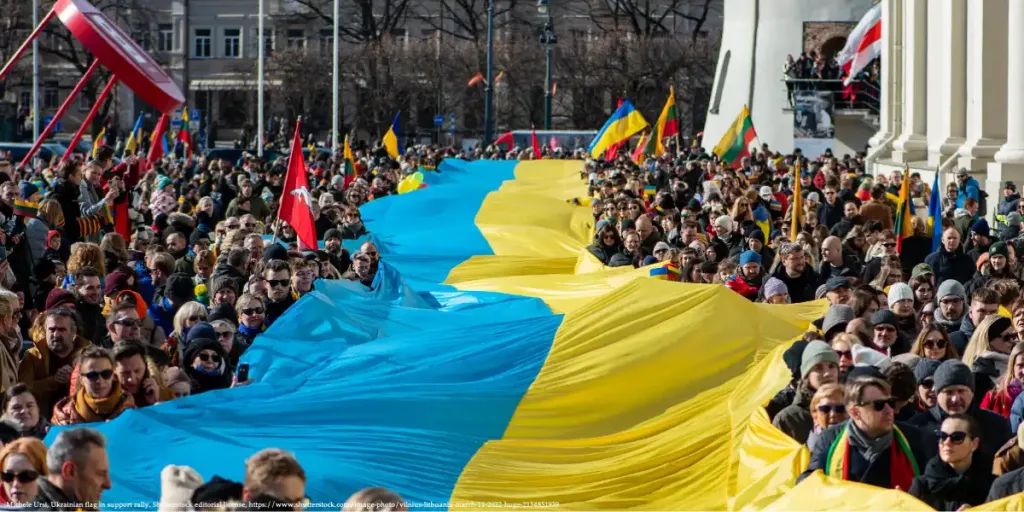
Ukraine, a country Ukrainian: Language, Culture, and Heritage located in Eastern Europe, is rich in history, culture, and language. Despite its tumultuous past, marked by invasions, political upheavals, and periods of foreign domination, Ukraine has always maintained a distinct identity. Central to this identity is the Ukrainian language, which plays a significant role in shaping the cultural fabric of the nation. In this article, we will explore the Ukrainian language, its history, and the vibrant cultural landscape of Ukraine.
The Ukrainian Language: A Symbol of Identity
Ukrainian is an East Slavic language, closely related to Russian, Belarusian, and other Slavic tongues. It is the official language of Ukraine, spoken by the majority of the population, though Russian is also commonly spoken, especially in urban centers and regions closer to Russia. Ukrainian uses the Cyrillic alphabet, which it shares with Russian and other Slavic languages, although there are notable differences in pronunciation and vocabulary.
Historically, the Ukrainian language has faced various challenges, particularly during periods of foreign rule. For much of the 18th and 19th centuries, Ukraine was under the control of the Russian Empire, and later, the Soviet Union. During these times, Russian was promoted as the dominant language, and Ukrainian faced efforts to suppress its use. Ukrainian literature, however, flourished in the 19th century, with writers such as Taras Shevchenko, Ivan Franko, and Lesya Ukrainka playing pivotal roles in the development of Ukrainian language and national consciousness.
After gaining independence in 1991, Ukraine made significant strides in revitalizing the Ukrainian language. Efforts to promote Ukrainian in education, media, and government were central to the country’s national identity and sovereignty. In recent years, the Ukrainian language has been increasingly embraced, with more people choosing to speak it in daily life, even in traditionally Russian-speaking regions.
Ukrainian Culture: A Rich Tapestry of Traditions
Ukrainian culture is a blend of ancient traditions, folk customs, and modern influences. At the heart of Ukrainian culture is a deep connection to the land, with rural life and the agricultural cycle playing a central role in daily life for centuries. Ukrainian folk music, dance, and art are famous for their vibrancy, often reflecting themes of love, nature, and national pride.
One of the most iconic elements of Ukrainian culture is traditional folk music, often accompanied by instruments such as the bandura, kobza, and trembita (a type of wooden horn). Ukrainian folk songs, known for their beautiful melodies and poetic lyrics, are often passed down through generations. The hopak, a lively and energetic folk dance, is also a well-known symbol of Ukrainian culture.
Art and craftsmanship hold a significant place in Ukrainian tradition. Ukrainian embroidery, known as vyshyvanka, is a form of folk art that involves intricate patterns and symbols stitched into fabric. The designs often carry cultural and spiritual meanings and are commonly worn during festive occasions and religious holidays.
Ukrainian cuisine is another crucial aspect of the country’s cultural identity. Traditional dishes include borscht (a hearty beet soup), varenyky (dumplings filled with potatoes, cheese, or meat), and holubtsi (stuffed cabbage rolls). Ukrainian food is often hearty, flavorful, and closely tied to the seasons.
Ukraine’s History: Struggles for Independence
Ukraine’s history is marked by a long struggle for independence and self-determination. In the 9th century, the region was home to the Kievan Rus’, a powerful state that is considered a precursor to modern-day Ukraine, Russia, and Belarus. Over time, Ukraine faced invasions and domination by various empires, including the Mongols, the Polish-Lithuanian Commonwealth, and the Russian Empire.
In the 20th century, Ukraine was part of the Soviet Union. The devastating Holodomor, a man-made famine in the 1930s, killed millions of Ukrainians and remains a painful chapter in the nation’s history. Despite these hardships, Ukrainians continued to resist Soviet rule, culminating in the country’s declaration of independence from the USSR on August 24, 1991.
Ukraine’s post-independence history has been marked by a struggle to define its political and cultural identity. The Orange Revolution in 2004 and the Euromaidan protests in 2014 were key moments in the country’s modern history, as Ukrainians rallied for greater political freedom, closer ties to Europe, and the protection of their national language and culture.
In 2014, Russia annexed Crimea and supported separatist movements in eastern Ukraine, leading to ongoing conflict in the Donbas region. Despite these challenges, Ukraine has remained resolute in its pursuit of sovereignty, with the language, culture, and national pride serving as unifying forces for the people.
The Importance of Language in Modern Ukraine
Today, the Ukrainian language remains a symbol of resistance and national pride. The government has continued to pass laws aimed at strengthening the use of Ukrainian in education, media, and public life. The country has seen an increase in Ukrainian-language television programs, newspapers, and books, signaling a shift towards greater linguistic autonomy.
Ukrainians view their language as more than just a means of communication; it is a vital part of their national identity and a marker of their independence. The transition to a more Ukrainian-centric public sphere has been a slow but important process in solidifying the country’s sense of self.
Conclusion: A Vibrant Future
As Ukraine faces challenges on the global stage, its rich language and culture remain sources of strength and pride for the Ukrainian people. The Ukrainian language, once suppressed and marginalized, is flourishing, and the country’s cultural heritage continues to inspire the world. Ukraine’s resilience in the face of adversity stands as a testament to its people’s commitment to preserving their identity and heritage. As Ukraine looks to the future, its language and culture will undoubtedly play an essential role in shaping its path forward.