

Introduction
Modern medicine has made remarkable progress in treating complex diseases, yet many health conditions remain challenging when managed with a single medication or treatment method. This reality has led healthcare professionals to embrace combination therapy, a treatment strategy that uses two or more therapies simultaneously to achieve better outcomes than a single treatment alone.
Combination therapy has become a cornerstone in managing chronic illnesses, infectious diseases, cancer, cardiovascular conditions, and mental health disorders. The approach is designed not only to improve treatment effectiveness but also to sustain long-term health benefits, reduce resistance, and enhance patient quality of life.
As healthcare continues to evolve, combination therapy stands out as one of the most effective strategies for maintaining positive treatment results over time. Understanding how and why combination therapy sustains patient outcomes can provide valuable insight into the future of medical care.
What Is Combination Therapy?
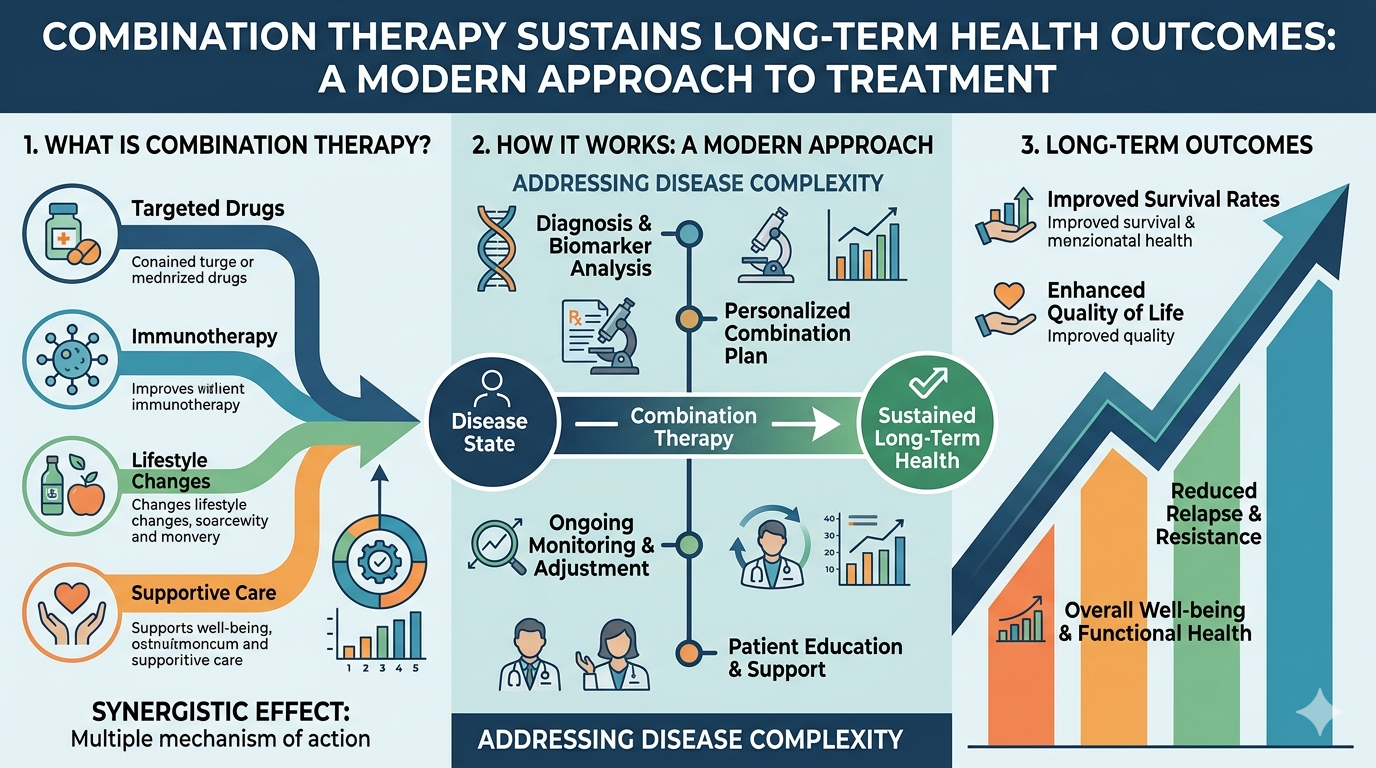
Combination therapy refers to the use of multiple therapeutic approaches to treat a single disease or condition. These therapies may include:
- Two or more medications
- Medication combined with lifestyle interventions
- Drug treatment paired with physical therapy
- Surgical procedures alongside medication
- Immunotherapy combined with targeted treatments
The primary goal is to attack a disease through multiple mechanisms, making treatment more comprehensive and effective.
Rather than relying on a single treatment pathway, combination therapy targets different aspects of a disease simultaneously. This multi-pronged approach often produces stronger and more sustainable results.
Why Combination Therapy Matters
Many diseases involve complex biological processes that cannot be adequately addressed by one treatment alone. In such cases, combination therapy offers several advantages:
Enhanced Treatment Effectiveness
Different therapies can complement each other, creating a synergistic effect. One treatment may improve the effectiveness of another, resulting in better disease control.
Reduced Drug Resistance
Drug resistance is a major challenge in conditions such as HIV, tuberculosis, and cancer. Using multiple therapies makes it harder for disease-causing organisms or cancer cells to adapt and survive.
Lower Dosage Requirements
Combining treatments may allow physicians to use lower doses of individual medications, reducing the risk of side effects while maintaining effectiveness.
Improved Patient Outcomes
Studies consistently show that carefully designed combination therapies often lead to better long-term outcomes compared to monotherapy.
Combination Therapy in Cancer Treatment
Cancer treatment provides one of the most powerful examples of how combination therapy sustains health outcomes.
Cancer cells are highly adaptable and can develop resistance to single treatments. To overcome this challenge, oncologists often combine:
- Chemotherapy
- Radiation therapy
- Immunotherapy
- Targeted therapy
- Hormone therapy
Each treatment attacks cancer in a different way.
For example, chemotherapy may destroy rapidly dividing cells, while immunotherapy strengthens the body’s immune response against cancer. Together, these approaches create a more comprehensive defense against tumor growth.
This strategy has significantly improved survival rates for many cancers and has become standard practice in oncology worldwide.
HIV and Combination Therapy Success
One of the most celebrated successes in modern medicine is the use of combination antiretroviral therapy (ART) for HIV treatment.
Before combination therapy became available, HIV was often considered a fatal disease. Today, many individuals living with HIV can achieve near-normal life expectancy.
ART works by combining multiple antiviral medications that target different stages of the HIV life cycle. This approach:
- Suppresses viral replication
- Prevents drug resistance
- Protects the immune system
- Reduces transmission risk
The sustained effectiveness of ART demonstrates the tremendous potential of combination therapy in managing chronic diseases.
Cardiovascular Disease Management
Heart disease remains one of the leading causes of death globally. Combination therapy plays a critical role in reducing cardiovascular risk and sustaining long-term health.
Patients with cardiovascular disease may receive combinations of:
- Blood pressure medications
- Cholesterol-lowering drugs
- Antiplatelet agents
- Lifestyle interventions
For example, treating hypertension and high cholesterol simultaneously often produces better outcomes than addressing either condition alone.
The combined approach helps reduce the risk of:
- Heart attacks
- Stroke
- Heart failure
- Vascular complications
By targeting multiple risk factors, healthcare providers can achieve more durable protection against cardiovascular events.
Diabetes and Comprehensive Care
Type 2 diabetes is another condition where combination therapy has become increasingly important.
The disease affects multiple biological pathways, including insulin production, insulin sensitivity, and glucose regulation. As a result, many patients benefit from combining different medications with lifestyle modifications.
Common components of diabetes combination therapy include:
- Oral diabetes medications
- Injectable therapies
- Nutritional counseling
- Exercise programs
- Weight management strategies
This comprehensive approach helps maintain stable blood sugar levels while reducing the risk of long-term complications such as kidney disease, nerve damage, and vision loss.
Mental Health Applications
Mental health treatment increasingly relies on combination therapy to sustain symptom improvement and prevent relapse.
For conditions such as depression and anxiety, treatment may involve:
- Medication
- Cognitive behavioral therapy
- Lifestyle adjustments
- Stress management techniques
Research suggests that combining psychotherapy with medication often produces better outcomes than either approach alone.
Patients may experience:
- Greater symptom reduction
- Improved coping skills
- Better treatment adherence
- Lower relapse rates
These benefits contribute to sustained emotional well-being and enhanced quality of life.
Infectious Disease Control
Combination therapy has transformed the treatment of several infectious diseases.
Tuberculosis
Tuberculosis treatment requires multiple antibiotics administered over several months. Using a single antibiotic would quickly lead to resistance.
Combination therapy ensures:
- Effective bacterial eradication
- Reduced resistance development
- Higher cure rates
Hepatitis C
Recent advances have introduced highly effective combination antiviral therapies that can cure many cases of hepatitis C.
The success of these treatments demonstrates how strategic drug combinations can sustain long-term disease control and even achieve complete eradication.
The Science Behind Sustained Benefits
Several biological mechanisms explain why combination therapy often produces lasting results.
Multiple Target Pathways
Diseases frequently involve numerous biological processes. Combination therapies address several pathways simultaneously, reducing the likelihood of treatment failure.
Prevention of Adaptive Resistance
Whether dealing with viruses, bacteria, or cancer cells, resistance remains a major challenge.
When multiple treatments attack a disease from different angles, adaptation becomes significantly more difficult.
Improved Disease Control
By controlling disease activity more effectively, combination therapy can slow progression and preserve organ function.
Enhanced Immune Support
Certain combination therapies strengthen natural immune defenses, helping the body maintain long-term control over disease processes.
Challenges and Considerations
While combination therapy offers significant benefits, it is not without challenges.
Increased Complexity
Managing multiple treatments requires careful coordination between healthcare providers and patients.
Potential Drug Interactions
Some medications may interact with one another, affecting safety or effectiveness.
Cost Concerns
Multiple therapies can increase treatment expenses, creating financial barriers for some patients.
Patient Adherence
Following a complex treatment plan may be difficult for some individuals, particularly when several medications must be taken daily.
Healthcare providers must carefully balance these factors when designing treatment plans.
Personalized Combination Therapy
Advances in precision medicine are making combination therapy more personalized than ever before.
Healthcare professionals can now analyze:
- Genetic information
- Disease biomarkers
- Treatment response patterns
- Individual risk factors
This information helps clinicians select the most effective combinations for each patient.
Personalized combination therapy offers several advantages:
- Better treatment effectiveness
- Fewer side effects
- Improved adherence
- Enhanced long-term outcomes
As technology continues to evolve, personalized approaches are expected to become increasingly common.
Future Directions
The future of combination therapy looks promising.
Researchers are actively exploring new treatment combinations across multiple medical specialties. Emerging technologies such as artificial intelligence and genomic analysis are helping identify optimal therapeutic pairings.
Future developments may include:
- Highly targeted cancer combinations
- Advanced immune-based therapies
- Personalized chronic disease management
- Novel antiviral combinations
- Integrated digital health interventions
These innovations have the potential to further improve treatment sustainability and patient outcomes.
Conclusion
Combination therapy has become one of the most effective tools in modern healthcare. By addressing diseases through multiple pathways, it provides stronger, more durable treatment outcomes than many single-treatment approaches.
From cancer and HIV to diabetes, cardiovascular disease, and mental health conditions, combination therapy continues to sustain long-term health benefits for millions of patients worldwide. Its ability to reduce resistance, improve effectiveness, and support comprehensive disease management makes it a vital component of contemporary medicine.
As scientific understanding advances and personalized healthcare becomes more widespread, combination therapy will likely play an even greater role in sustaining health outcomes and improving quality of life for future generations.
FAQs
1. What is combination therapy?
Combination therapy involves using two or more treatments together to manage a disease more effectively than a single treatment.
2. Why does combination therapy reduce drug resistance?
It targets diseases through multiple mechanisms, making it harder for pathogens or cancer cells to adapt and survive.
3. Is combination therapy used only for serious diseases?
No. It is used for many conditions, including diabetes, hypertension, mental health disorders, and infectious diseases.
4. Can combination therapy have more side effects?
It can increase the risk of side effects or drug interactions, which is why medical supervision is important.
5. What is the future of combination therapy?
Future developments focus on personalized treatment plans, advanced targeted therapies, and AI-assisted therapeutic combinations.