

Key Takeaways:
- CoolSculpting is a non-invasive fat-reduction technique that uses controlled cooling to safely and effectively eliminate fat cells.
- While considered safe, potential side effects may include redness, localized swelling, numbness, and rare complications such as paradoxical adipose hyperplasia (PAH).
- Non-surgical alternatives such as laser lipolysis, radiofrequency lipolysis, and injection lipolysis are available and may better suit certain needs.
- An individual assessment with a qualified healthcare professional is essential to selecting the most appropriate fat-reduction approach.
Pursuing a contoured, healthy physique no longer means resorting to surgery as the only option. Modern non-surgical fat reduction procedures, particularly CoolSculpting, are now at the forefront for those seeking effective body contouring with minimal downtime. This has sparked growing interest in innovative, non-invasive solutions such as CoolSculpting fat reduction treatment in Salt Lake City.
CoolSculpting, through its unique controlled cooling technology, appeals to individuals eager to shed stubborn fat pockets without incisions or anesthesia. However, understanding its safety, potential complications, and the available alternatives is essential when deciding the best course for body transformation.
By exploring this safe and popular approach and contrasting it with other non-invasive methods, prospective patients can align their preferences with science-backed, effective treatments.
Making an informed decision requires evaluating how each non-surgical procedure works, potential risks, and its overall outcomes in both the short and long term.
Understanding CoolSculpting
CoolSculpting, clinically known as cryolipolysis, leverages advanced cooling technology to selectively target and freeze fat cells underneath the skin. As fat cells are more sensitive to cold than other tissues, this approach does not harm nerves, blood vessels, or muscles. Once exposed to carefully controlled cold, the fat cells crystallize and gradually break down, allowing the body to metabolize and eliminate them over several weeks. The FDA has cleared CoolSculpting for use on the abdomen, thighs, flanks, upper arms, back, and under the chin, making it a versatile option for multiple body areas.
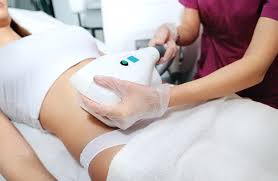
During the treatment session, a specialized applicator is applied to the skin, producing a cold sensation followed by numbness. The appointment usually lasts from 35 minutes to one hour per targeted area, with minimal discomfort and no downtime, which allows patients to resume normal activities promptly after leaving the clinic.
Potential Risks and Side Effects
Though CoolSculpting has a generally reassuring safety track record, patients should be aware of potential side effects. Common, temporary reactions include swelling, redness, bruising, and numbness at the application site. These symptoms typically resolve within a few days or weeks without medical intervention.
The most well-publicized risk of CoolSculpting, albeit rare, is paradoxical adipose hyperplasia (PAH). PAH results in a firm lump of fat in the treated area that enlarges rather than shrinks, requiring further intervention, such as liposuction, to correct. This complication is estimated to occur in fewer than one percent of treatments. Transparent consultations help set realistic expectations regarding effectiveness and safety.
Alternative Non-Surgical Fat Reduction Methods
Beyond CoolSculpting, several technologies offer non-surgical fat reduction by utilizing heat, energy, or injectable solutions. Popular alternatives include:
- Laser Lipolysis (SculpSure): This technique uses laser energy to heat and disrupt the integrity of fat cells, which the body eventually processes and eliminates. Typically, this procedure is chosen for stubborn pockets of fat, with minimal downtime and a low complication profile.
- Radiofrequency Lipolysis (Vanquish): Using radiofrequency energy, this method induces deep tissue heating that triggers apoptosis (cell death) in fat cells. Because no contact is made with the skin, the risk of burns or irritation is minimized, making it increasingly popular for larger treatment areas.
- Injection Lipolysis (Kybella): Kybella is a series of deoxycholic acid injections that specifically target and dissolve submental fat (under the chin). Although effective for double chin treatment, its use elsewhere on the body remains limited, and multiple sessions may be required for optimal results.
The suitability of each method depends on treatment goals, area of concern, and existing health conditions. Consulting a medical provider ensures the chosen technique aligns with individual circumstances.
Comparing Efficacy and Safety
Evaluating non-surgical fat-reduction methods requires understanding both their efficacy and safety profiles. For most patients, laser and radiofrequency lipolysis achieve high patient satisfaction, with visible reductions typically observed a few weeks post-treatment. However, complete results for all approaches, including CoolSculpting and injection lipolysis, can take up to three months as the body gradually eliminates dead fat cells.
Each method carries unique considerations regarding potential side effects. For example, laser lipolysis may occasionally cause temporary discomfort or minor burns, whereas radiofrequency lipolysis typically avoids direct skin contact, reducing these risks. Injection lipolysis may cause localized swelling and discomfort. Cost, number of sessions required, and candidate eligibility all inform the final decision, making a personalized consultation invaluable.
Choosing the Right Procedure
Optimal fat reduction is not one-size-fits-all. Factors such as age, overall health, existing conditions, and lifestyle play significant roles when selecting the best treatment pathway. Individual expectations about the speed of results, downtime, and comfort must also be considered. Thoroughly discussing options with a certified healthcare professional helps clarify the potential risks and outcomes tailored for each body type and personal goal.
The American Board of Cosmetic Surgery offers in-depth guidance on non-surgical fat reduction methods, supporting patients in their quest for safe, reliable results backed by credible medical authorities.
Conclusion
Non-surgical fat-reduction techniques have revolutionized how individuals approach body contouring, offering options that minimize risk and recovery time without sacrificing results. Understanding the details, benefits, and limitations of procedures like CoolSculpting and its alternatives is crucial for establishing realistic expectations and achieving satisfying outcomes. Prioritizing consultation with experienced medical experts ensures health and cosmetic goals are met safely, confidently, and effectively.