

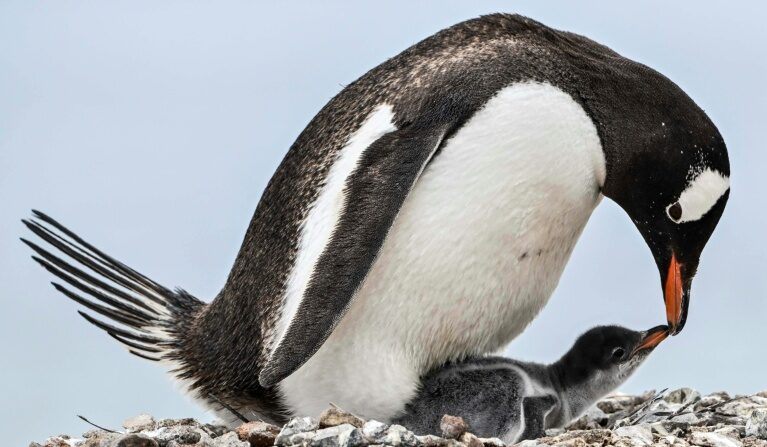
New research reveals penguins are adapting their reproductive cycles in response to warming temperatures, offering a glimpse into ecosystem disruption at the bottom of the world.
In the stark, icy landscapes of Antarctica, a subtle but significant shift is occurring in the rhythms of life. According to a new study published in Global Change Biology, several penguin species are bringing forward their breeding seasons in response to the region’s rapidly warming climate. This behavioral change, while demonstrating remarkable adaptability, signals profound disruptions to one of the planet’s most fragile ecosystems.
The research, conducted over nearly three decades, focused on colonies of Adélie and Gentoo penguins along the Antarctic Peninsula—one of the fastest-warming regions on Earth. Scientists from international institutions analyzed decades of breeding data, pairing it with detailed climate records. They discovered a clear correlation: as spring temperatures have risen and sea ice has retreated earlier, penguins have consistently begun their courtship and egg-laying periods earlier in the year.
“The pattern is unmistakable,” said lead researcher Dr. Anya Petrova of the Polar Research Institute. “For every degree of warming in the region, we observed breeding activities advancing by several days. It’s a direct response to environmental cues—primarily the availability of open water and access to breeding grounds.”
The Mechanics of Change
The Antarctic Peninsula has warmed by nearly 3°C (5.4°F) over the last 50 years, a rate several times the global average. This warming drastically alters the seasonal calendar. Sea ice, which penguins use as a platform for foraging and a highway to their rocky breeding colonies, now forms later and breaks up earlier.
The study suggests penguins are tracking these changes with precision. Gentoo penguins, which are more adaptable and less reliant on sea ice, showed the most pronounced shift. Adélie penguins, which are true ice-obligate species, also advanced their timing, but face greater long-term risks as their specialized habitat literally melts away.
A Delicate Synchrony, Disrupted
The shift, while a testament to animal resilience, raises serious ecological concerns. The Antarctic ecosystem operates on a tight schedule. Penguin breeding is timed to coincide with the peak abundance of krill—their primary food source. Krill populations themselves are tied to algal blooms that occur under specific sea-ice conditions.
“There’s a danger of a mismatch developing,” explained co-author Dr. James Finch. “If penguins breed earlier but the krill peak does not shift correspondingly, parents may struggle to find enough food for their chicks. This could lead to lower chick survival rates, ultimately impacting population numbers.”
The ripple effects extend beyond penguins. They are a keystone species; their guano fertilizes the land, supporting everything from mosses to invertebrates, and they are a vital food source for leopard seals and skuas. A disruption in their population or timing can cascade through the entire food web.
A Sentinel for Global Warming
Scientists have long considered penguins “sentinel species” for the Southern Ocean, and this study reinforces that status. Their behavioral changes are a clear, observable barometer of climate change’s impact. “They are showing us, in real-time, how wildlife adapts to a warming world,” Dr. Petrova noted. “The question is whether this adaptation can keep pace with the rate of change.”
The findings add urgency to global climate mitigation efforts and highlight the need for robust marine protections in the Antarctic. As nations debate the expansion of Marine Protected Areas (MPAs) in the region, such research provides critical evidence of the stressors facing polar ecosystems.
The image of a penguin on melting ice has become a symbol of the climate crisis. This new research reveals that the reality is more dynamic—and more precarious. The penguins are moving their clocks forward, trying to outrun a warming world. Whether they can continue to adapt is a story that will unfold on the icy shores of a continent feeling the heat.
 Jerry
Jerry