

Key Takeaways
- Tai chi enhances both physical and mental health through gentle, flowing movements.
- Regular practice can improve balance, flexibility, and muscle strength, reducing the risk of falls.
- It serves as an effective stress management tool, promoting relaxation and mental clarity.
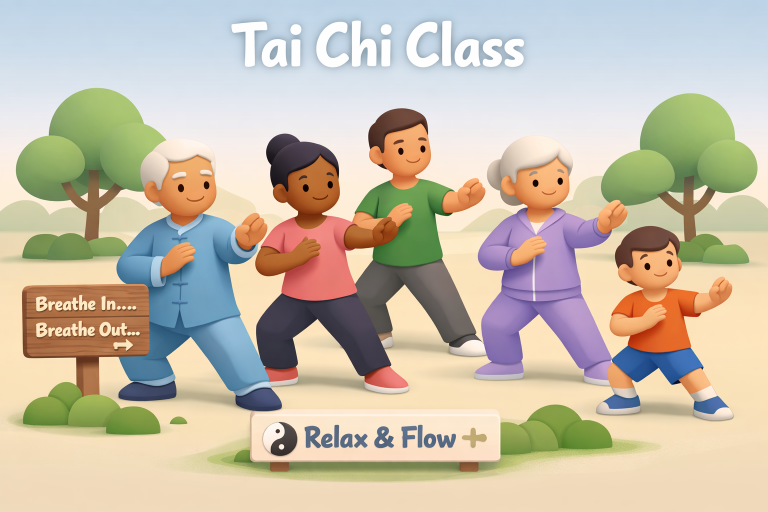
- Tai chi is accessible to individuals of all ages and fitness levels.
Table of Contents
- Introduction to Tai Chi
- Physical Health Benefits
- Mental Health Benefits
- Tai Chi for Seniors
- Getting Started with Tai Chi
- Conclusion
Introduction to Tai Chi
Tai chi, also spelled taiji, is an ancient practice that originated in China. It is celebrated for integrating slow, graceful movements with mindful breathing and focused attention. By participating in tai chi, practitioners cultivate a sense of inner calm and physical coordination, making it not only a form of gentle exercise but also a moving meditation. For those new to this practice, finding trusted instructional tai chi videos for beginners can be a helpful starting point, ensuring that foundational movements are learned correctly and safely. Unlike many fitness routines that require demanding physical exertion or equipment, tai chi is known for its accessibility and adaptability. Whether you are looking to address specific wellness goals or nurture both body and mind, tai chi welcomes participants of all backgrounds. The focus on fluid motion and mind-body connection not only supports long-term physical health but also nurtures a resilient mental state.
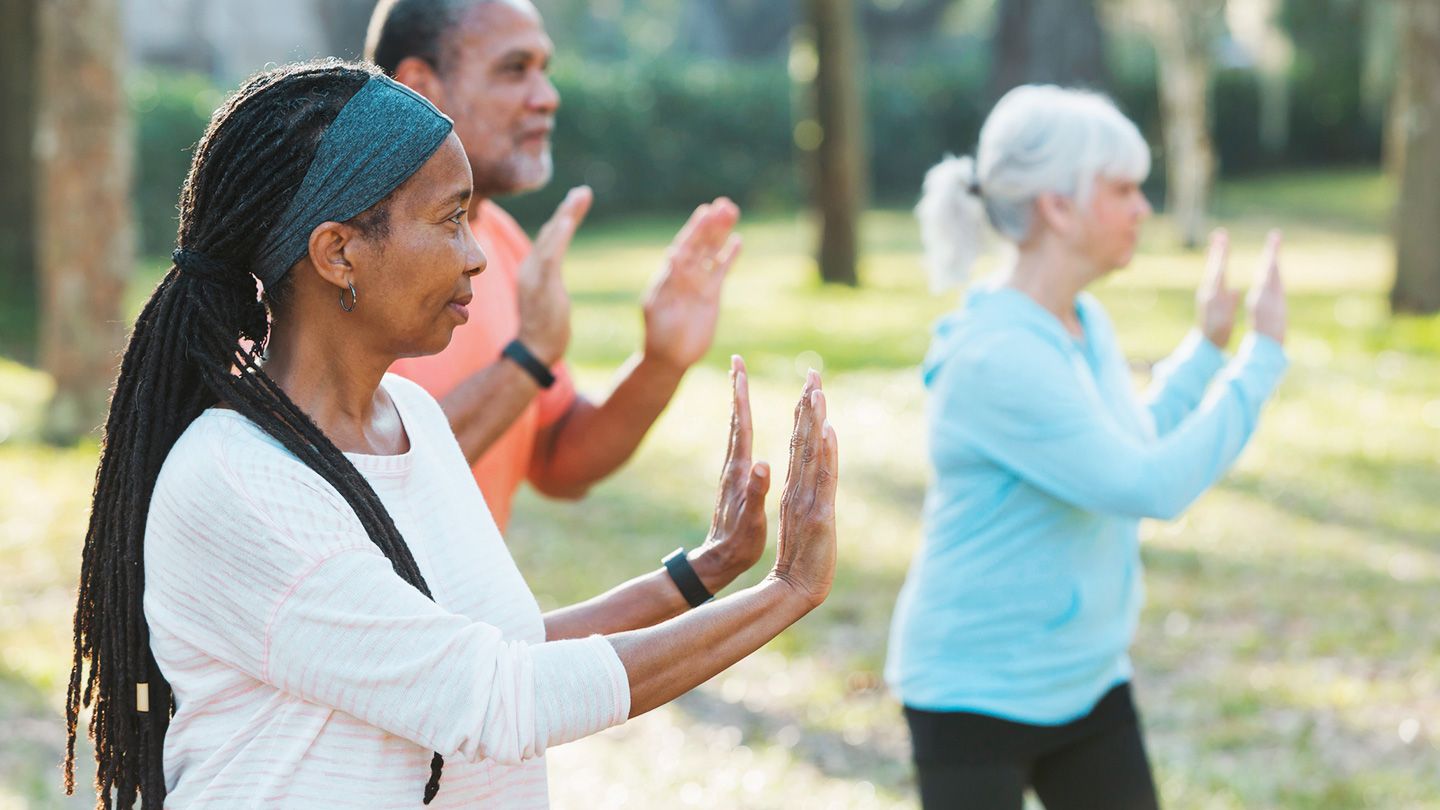
As tai chi gains recognition in the West, its benefits are being recognized by healthcare professionals and those seeking holistic approaches to wellness. The practice is adaptable; individuals with varying abilities and health conditions can tailor their routines to their own needs, making it ideal for lifelong well-being. Additionally, research continues to highlight tai chi as a low-risk intervention for conditions ranging from hypertension to anxiety. The American Academy of Family Physicians notes that tai chi is increasingly recommended for its evidence-based role in supporting health and reducing disability. For further information, refer to Harvard Health’s guide to tai chi and its health benefits. Regular practice of tai chi leads to significant improvements in various aspects of physical health:
- Improved Balance and Reduced Fall Risk: Tai chi’s deliberate movement sequences benefit balance by strengthening the muscles and enhancing proprioception. Older adults in particular find that tai chi can effectively lower the risk of falls, with several studies highlighting a reduction in the frequency and severity of falls among participants. Programs at major health centers often reference this benefit for aging populations.
- Increased Muscle Strength and Flexibility: Although tai chi is gentle on the body, its slow, repeated movements engage both large and small muscle groups. This results in greater strength and flexibility without undue strain, making it suitable for both rehabilitation and general conditioning.
- Enhanced Cardiovascular Health: Sustained movement and deep breathing help improve circulation and oxygen efficiency. Over time, these gentle aerobic elements help regulate blood pressure and stabilize heart health. According to a Harvard Health article, regular tai chi practice correlates with reduced hypertension and more robust cardiovascular outcomes.
Supporting Evidence from Research
Several clinical trials have affirmed tai chi’s positive effects on physical function, joint stability, and fall prevention. For instance, the Cleveland Clinic has published findings supporting tai chi’s effectiveness in improving balance and muscle tone, particularly among older adults.
Mental Health Benefits
Tai chi is equally valued for its profound influence on psychological well-being. The mindfulness at the heart of tai chi is responsible for several mental wellness improvements:
- Stress Reduction: Through intentional breathing and meditation, tai chi offers an effective antidote to stress and anxiety. Many practitioners report feeling more relaxed and centered after their sessions, with measurable decreases in stress hormone levels.
- Enhanced Cognitive Function: Practicing tai chi has been associated with improved cognitive abilities, especially executive function and memory, in both healthy individuals and those with mild cognitive impairment. This is especially important as we age or face busy modern lifestyles.
- Better Sleep Quality: By promoting relaxation and reducing daytime anxiety, tai chi supports more restful sleep cycles. Individuals who struggle with insomnia or interrupted sleep often notice improved patterns when practicing regularly.
Tai Chi and Emotional Balance
The meditative nature of tai chi nurtures patience, focus, and emotional resilience. For those recovering from trauma or managing chronic stress, tai chi can be a key complementary approach within a holistic health plan. More about the wide-ranging mental health benefits can be found at the Healthline overview of tai chi.
Tai Chi for Seniors
Older adults can especially benefit from tai chi due to its unique combination of gentle exercise and mindfulness. As physical capabilities change with age, exercises that reduce fall risk and maintain independence become increasingly important. Tai chi provides a safe platform for seniors to build confidence in their movements, maintain mobility, and diminish the effects of age-related decline. The ability to modify poses and pace makes it highly adaptable for a range of conditions, including arthritis, osteoporosis, and post-injury recovery.
Getting Started with Tai Chi
Entering the world of tai chi does not require experience or high levels of fitness. Here are a few simple steps to get going:
- Consult with a Healthcare Provider: Before starting any fitness routine, particularly if you have existing health conditions or mobility limitations, check with your doctor or a qualified health professional.
- Find a Qualified Instructor: Look for certified instructors who offer classes appropriate for your needs and experience level. As many communities now offer both in-person and online classes, you can choose a format that fits your schedule and preferences.
- Practice Regularly: Gains from tai chi are most pronounced with consistent, ongoing practice. Even brief sessions a few times a week contribute to measurable improvements.
- Wear Comfortable Clothing: Loose, comfortable clothing and flat shoes support free movement and help you focus on the movements themselves.
Conclusion
Tai chi provides a comprehensive approach to both physical and mental wellness. With its accessibility, gentle nature, and science-backed benefits, it is an ideal practice for people of all ages. Whether your goal is to support cardiovascular health, ease stress, or enjoy a mindful movement practice, tai chi is a rewarding discipline. With resources like instructional videos and community classes, anyone can start exploring the many benefits this ancient art offers for lifelong well-being.