

Key Takeaways
- Regular roof maintenance extends the lifespan of your roof and prevents expensive repairs.
- Each season presents specific challenges; addressing them promptly can mitigate potential damage.
- Professional inspections complement DIY maintenance efforts, ensuring comprehensive roof care.
Table of Contents
- Spring Maintenance
- Summer Maintenance
- Fall Maintenance
- Winter Maintenance
- Year-Round Maintenance Tips
- The Importance of Professional Inspections
- Conclusion
Maintaining your roof is not just about avoiding leaks or unsightly stains. It is about protecting your investment and ensuring a safe, comfortable home. Routine seasonal maintenance can help extend your roof’s lifespan and stave off unexpected, costly repairs. Whatever the age or type of your roof, a year-round strategy is vital to keeping it in optimal condition. View the full guide for an in-depth look at proper roofing care and helpful maintenance checklists.
Each season poses particular challenges, from spring’s heavy rains to winter’s ice buildup. Addressing these issues promptly will help you spot signs of trouble early and fix minor damage before it worsens. In addition to personal maintenance, scheduling periodic professional inspections can offer peace of mind and identify problems you might miss. By understanding what to look for during each season and consistently following a plan, you can minimize damage and maintain your home’s value. Many experts recommend inspecting your roof after major weather events and at the start of every new season. Proactive care makes a measurable difference and can even reduce home insurance claims related to roof damage.
Spring Maintenance
As temperatures rise and snow melts, spring offers an opportunity to inspect your roof for winter storm damage. Begin by surveying for cracked, curled, or missing shingles since cold weather and strong winds can easily loosen them. Look out for shingle granules in gutters, which can indicate that your roofing’s protective surface is deteriorating.
- Inspect for Winter Damage: Walk around your home and use binoculars to check for visible signs of damage safely.
- Clean Gutters and Downspouts: Remove leaves, branches, and built-up debris to keep water flowing away from your home’s foundation.
- Check for Mold or Dark Streaks: Black or green streaks on shingles indicate algae or mold, often due to trapped moisture. Clean them with a gentle solution to prevent further rot.
Prompt action during spring can help you tackle issues before seasonal rainfall exacerbates them.
Summer Maintenance
Heat and humidity can do a number on your roof during summer. The sun’s rays can blister or warp asphalt shingles, while excessive heat in the attic can shorten roof material life.
- Inspect for Sun Damage: Look for discolored, buckling, or warped shingles that may signal sun or heat damage. Replace them as soon as possible.
- Ensure Proper Ventilation: An attic with inadequate ventilation will trap heat, harming your roof from below. Make sure vents are not blocked, and ridge vents are in working order.
- Trim Overhanging Branches: Branches close to your roof can scrape shingles or break off in summer storms. Trim them back to reduce risk.
Maintaining your roof during the hottest part of the year helps it better withstand summer storms, high winds, and UV exposure. For more advice on keeping your home and roof cool in summer, check out Energy Saver’s guide to cool roofs.
Fall Maintenance
Autumn is a prime time for roof maintenance since it prepares your home for winter’s demands. Ensuring gutters and downspouts are clear is especially important during leaf fall.
- Clean Gutters and Downspouts: Leftover debris from earlier seasons can cause blockages and water overflow, which can lead to roof leaks or foundation issues.
- Check for Loose Shingles: Secure or replace shingles that may otherwise get ripped off in high autumn winds.
- Inspect Seals and Flashing: Examine seals around vents, skylights, and chimneys for cracks or gaps where water could enter.
These simple fall tasks will help your roof withstand the weight of snow and ice and reduce the risk of water damage within your home.
Winter Maintenance
Winter presents some of the greatest challenges for roofs, especially in areas prone to snow and ice. Preventing ice dams and monitoring for structural strain are critical steps this season.
- Check for Ice Dams: Ice dams form when heat escapes from your home and melts snow on the roof, which then refreezes at the edge. This can force water under shingles, so ensure insulation and ventilation are adequate.
- Inspect for Moisture Buildup: Check your attic and ceilings for signs of leaks or condensation, especially after storms or a thaw.
- Monitor for Structural Damage: Heavy snow places extra weight on your roof. Be alert for sagging or creaking, and clear snow safely if it accumulates beyond safe limits.
Winter inspections and quick action during storms can prevent extensive and expensive damage as temperatures fluctuate.
Year-Round Maintenance Tips
Several best practices are useful year-round. These routines will help you stay organized and extend your roof’s useful life.
- Keep Records of Maintenance: Tracking what you have checked and fixed will inform future inspections and improve communication with professional roofers.
- Know Your Roof’s Age: As roofs approach the end of their typical lifespan, increase the frequency of inspections and prepare for potential replacement.
- Use Consistent Professionals: Building a relationship with a trusted contractor makes it easier to spot recurring problems and ensures continuity in care.
- Address Minor Fixes Promptly: Small repairs prevent small issues from turning into larger, more costly problems.
Taking these proactive steps year-round can save significant time and money in the long run and help protect your home from the unexpected.
The Importance of Professional Inspections
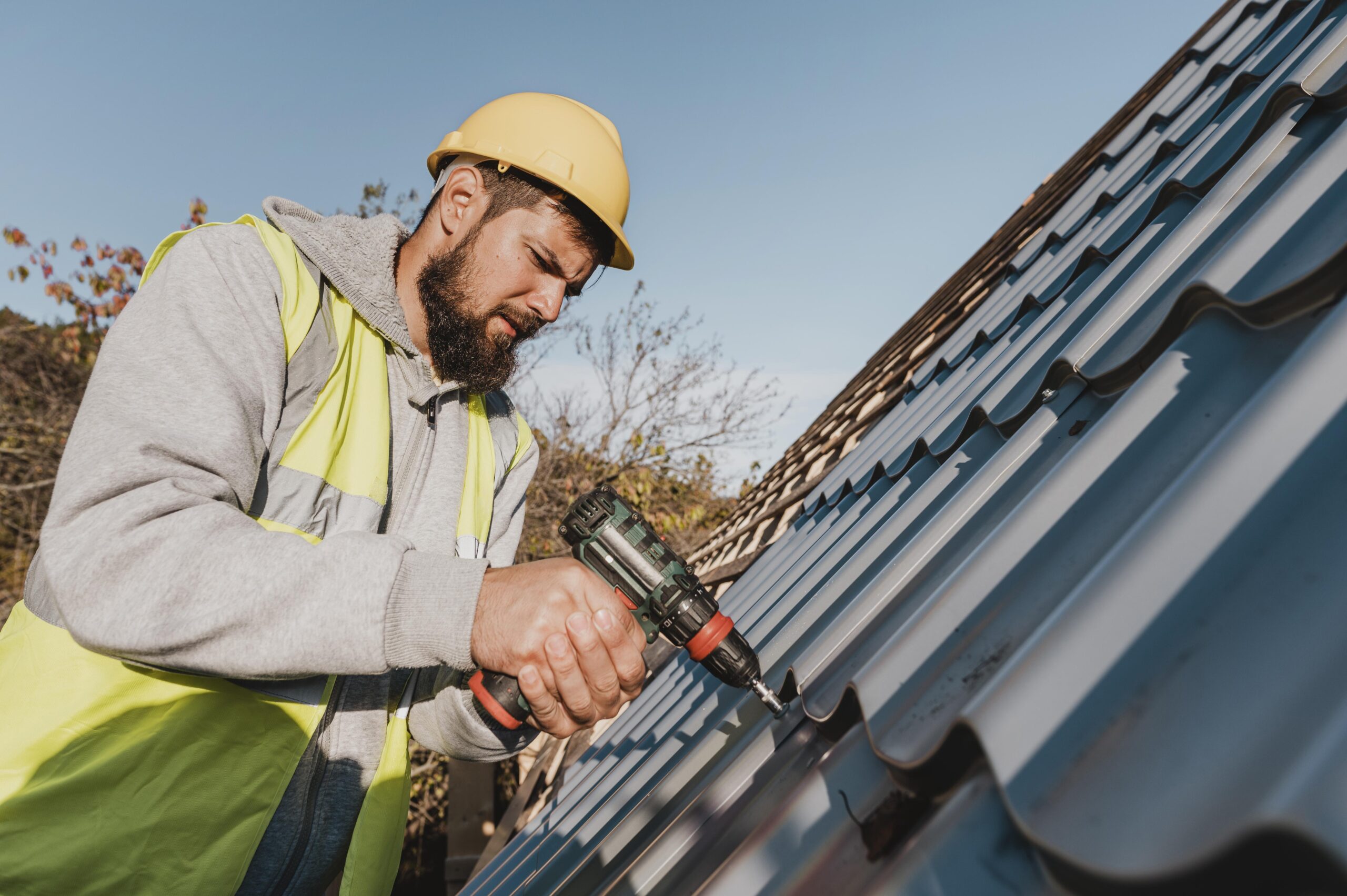
While many homeowners can handle basic maintenance and visual checks, professional inspections bring expertise and a comprehensive eye to roof care. Roofing contractors are trained to spot hidden signs of trouble, such as subtle leaks, compromised seals, or shingle defects. They can also offer tailored recommendations based on your roof’s material and age.
- Identify Hidden Issues: Professionals spot issues beneath the surface that homeowners may overlook.
- Provide Expert Recommendations: Their insight comes from years of specialized experience and training.
- Ensure Safety: Certified inspectors have the equipment and know-how to access dangerous or tricky roof areas safely.
Regular professional inspections, ideally scheduled once each year and after any major weather event, will complement your own maintenance efforts and keep your roofing investment safe for years to come. By following these seasonal guidelines and maintaining a schedule of professional checkups, you can extend the life of your roof, prevent unnecessary repairs, and keep your home watertight, safe, and comfortable year-round.
Conclusion
Consistent roof maintenance is essential for preserving your home’s durability, safety, and value year-round. By addressing seasonal challenges, from spring inspections and summer heat protection to fall cleanup and winter ice prevention, you can significantly reduce the risk of costly damage and unexpected repairs. Each season plays a critical role in maintaining your roof’s overall health, underscoring the effectiveness of a year-round approach. While DIY upkeep helps catch visible issues early, professional inspections provide the deeper expertise needed to identify hidden problems and ensure long-term protection. Together, these efforts create a comprehensive maintenance strategy that extends your roof’s lifespan, improves performance, and safeguards your home year-round against the elements.