

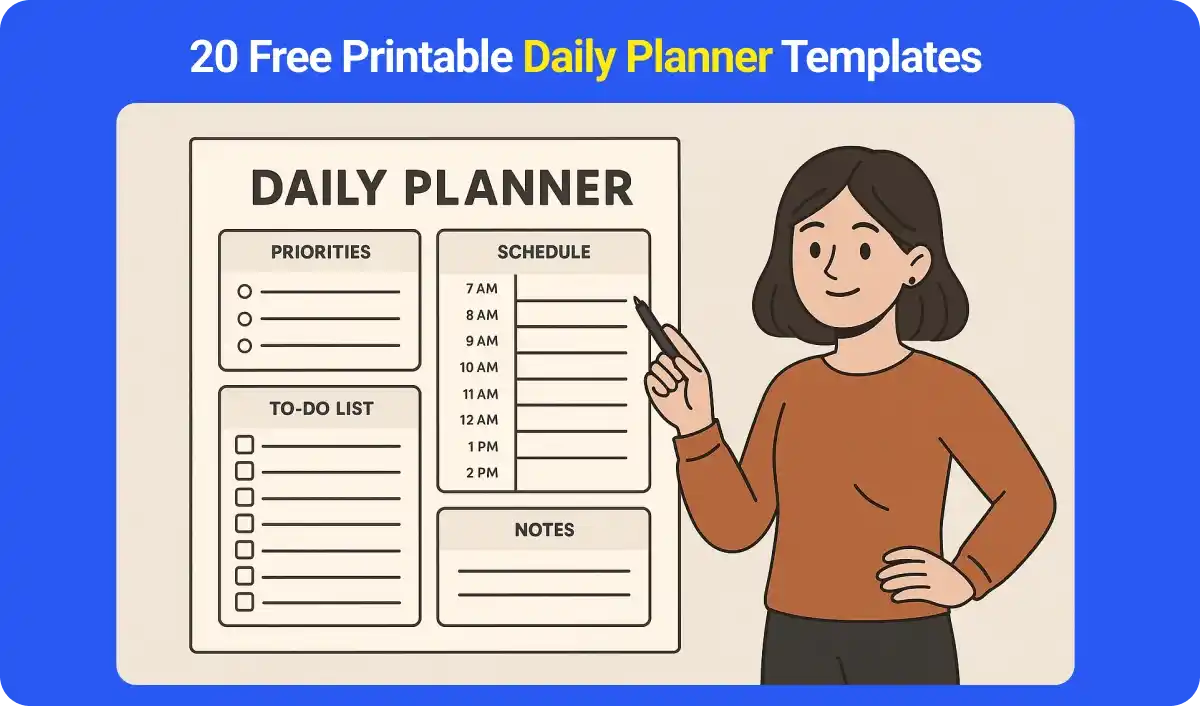
In a busy world, managing time Daily Planner effectively can be difficult. Work, study, family responsibilities, personal goals, appointments, and everyday tasks can quickly fill your schedule. Without a clear plan, it is easy to forget important tasks or spend too much time on less important activities. This is where a Daily Planner can make a real difference.
A daily planner is a simple organization tool that helps you decide what needs to be done, when it should be done, and which tasks deserve the most attention. Whether you are a student, professional, business owner, parent, or someone who simply wants a more organized routine, a daily planner can help you take control of your day.
What Is a Daily Planner?
A daily planner is a planning tool designed to organize activities and responsibilities throughout a single day. It usually includes sections for tasks, appointments, schedules, notes, priorities, and sometimes personal goals.
Daily planners are available in different formats. Some people prefer traditional paper planners, while others use digital planning apps or printable templates. The basic purpose remains the same: to provide a clear picture of your day before you start it.
A well-designed daily planner allows you to move from one task to another with greater confidence and less confusion.
Why Is a Daily Planner Important?
Time is one of the most valuable resources we have. Once a day has passed, we cannot get it back. A daily planner encourages you to use your available time more intentionally.
Instead of keeping everything in your memory, you can write your responsibilities down. This reduces the possibility of forgetting important tasks and gives you a better understanding of how your time is being used.
A planner can also make large or complicated responsibilities feel easier because you can divide them into smaller steps.
Benefits of Using a Daily Planner
Using a daily planner can provide several practical benefits.
1. Better Time Management
A daily planner helps you decide how much time should be given to different activities. You can schedule work, breaks, appointments, study sessions, and personal activities.
This makes it easier to avoid wasting valuable hours.
2. Improved Productivity
When you know exactly what needs to be completed, you can start working without spending unnecessary time deciding what to do next.
A written task list provides direction and encourages you to focus on completing meaningful work.
3. Reduced Stress
An overloaded mind can make even simple responsibilities feel difficult. Writing tasks down gives your brain a place to organize them.
Instead of repeatedly thinking, “I need to remember this,” you can simply add it to your planner.
4. Clear Priorities
Not every task has the same level of importance. A daily planner allows you to identify your most important responsibilities and complete them first.
You can divide tasks into categories such as:
- High priority
- Medium priority
- Low priority
This simple system can help you focus on what matters most.
5. Better Work-Life Balance
Productivity does not mean working every minute of the day. Rest, family time, hobbies, exercise, and personal activities are also important.
A daily planner can help you reserve time for both responsibilities and relaxation.
How to Create an Effective Daily Planner
Creating a useful daily planner does not have to be complicated. A simple structure can be enough.
Start by writing down everything you need to accomplish. Then organize those tasks according to importance and estimated completion time.
For example:
Morning
- Review goals
- Answer important messages
- Complete priority task
Afternoon
- Attend meetings
- Work on projects
- Complete smaller tasks
Evening
- Exercise
- Family time
- Review the day
- Prepare tomorrow’s plan
This structure gives your day a simple direction without making your schedule unnecessarily complicated.
Include Your Top Priorities
One of the most useful features of a daily planner is a priority section.
Instead of writing twenty tasks and treating them equally, select two or three tasks that are most important.
Ask yourself:
“If I could complete only three things today, which three would make the biggest difference?”
Put those tasks at the top of your planner.
This approach can prevent your schedule from becoming an endless list of small activities.
Use Time Blocking
Time blocking is another effective planning technique. It involves assigning specific periods of the day to particular activities.
For example:
- 8:00–9:00 — Planning and email
- 9:00–11:00 — Focused work
- 11:00–11:30 — Break
- 11:30–1:00 — Project work
- 2:00–3:00 — Meetings
- 4:00–5:00 — Administrative tasks
Time blocking helps create structure and makes it easier to protect periods of focused work.
Leave Space for Unexpected Tasks
A common planning mistake is filling every minute of the day.
Unexpected phone calls, urgent tasks, delays, and personal responsibilities can appear at any time. If your schedule is completely full, one unexpected event can disrupt the entire plan.
For this reason, leave some flexible time between major activities.
A realistic planner is usually more useful than a perfect but impossible schedule.
Daily Planner for Students
Students can benefit greatly from using a daily planner. School, college, or university life often involves classes, assignments, exams, projects, and personal activities.
A student planner can include:
- Class schedules
- Homework
- Assignment deadlines
- Exam preparation
- Reading sessions
- Breaks
- Personal goals
Breaking study work into smaller daily tasks can make large assignments feel much more manageable.
Daily Planner for Professionals
Professionals often have multiple responsibilities competing for attention. Meetings, emails, reports, projects, deadlines, and calls can quickly fill the working day.
A daily planner helps professionals identify important tasks before getting distracted by less important activities.
For example, completing a major project task early in the day may be more valuable than spending the entire morning responding to non-urgent emails.
Daily Planner for Personal Goals
A planner is not only for work and study. It can also support personal development.
You can use your planner to track goals such as:
- Reading
- Exercise
- Learning a new skill
- Drinking enough water
- Spending time with family
- Practicing a hobby
- Maintaining a regular sleep routine
Small actions repeated consistently can eventually create meaningful results.
Paper vs. Digital Daily Planners
There are two common ways to use a daily planner: paper and digital.
Paper Planner
A paper planner offers a simple and distraction-free experience. Writing tasks by hand can also make your plans feel more tangible.
It is especially useful for people who enjoy physical notebooks and handwritten lists.
Digital Planner
Digital planners are convenient because they can be accessed from phones, tablets, and computers. They may also provide features such as reminders, recurring tasks, notifications, and calendar integration.
The best option depends on your personal preferences and lifestyle.
Printable Daily Planners
Printable daily planners are another popular option. They combine the flexibility of a digital template with the physical experience of writing on paper.
You can print a fresh planner each day and customize it according to your needs.
A printable daily planner may include sections for:
- Date
- Main goals
- To-do list
- Schedule
- Notes
- Priorities
- Habits
- End-of-day review
This makes printable planners useful for both personal and professional organization.
Avoid Overplanning
Planning is helpful, but too much planning can become counterproductive.
If you spend more time designing your schedule than completing your responsibilities, it may be time to simplify.
Your daily planner should support your productivity, not become another task.
Keep your system simple enough that you can use it consistently.
Review Your Day
Spend a few minutes at the end of each day reviewing your planner.
Ask yourself:
- What did I complete?
- What remains unfinished?
- What distracted me?
- What worked well?
- What should I change tomorrow?
This short review can help you improve your planning habits over time.
How to Make Daily Planning a Habit
Consistency is more important than creating a complicated planning system.
Try planning at the same time every day. Many people prefer preparing their next day’s schedule before going to bed, while others enjoy planning first thing in the morning.
Choose a time that fits naturally into your routine.
Start with just five to ten minutes. Once planning becomes a habit, you can adjust your system as needed.
Common Daily Planning Mistakes
Several mistakes can make daily planning less effective.
Creating an Unrealistic Schedule
Do not plan eight hours of work if you realistically have five productive hours available.
Ignoring Breaks
Regular breaks can help maintain concentration and prevent burnout.
Making Everything a Priority
If everything is marked urgent, nothing is truly prioritized.
Forgetting Personal Time
Your planner should include important personal activities as well as work responsibilities.
Not Reviewing Progress
A planner becomes more useful when you learn from your previous days and adjust your approach.
A Simple Daily Planner Example
Here is a basic structure you can use:
Date: __________
Top 3 Priorities
Today’s Schedule
- 8:00 AM — __________________
- 10:00 AM — _________________
- 12:00 PM — _________________
- 2:00 PM — __________________
- 4:00 PM — __________________
Additional Tasks
Notes:
End-of-Day Review:
What went well today?
What should I improve tomorrow?
This simple format can be adapted for work, school, business, or personal use.
Final Thoughts
A Daily Planner is a simple but powerful tool for organizing responsibilities, managing time, and staying focused on important goals. You do not need a complicated productivity system to make progress. A clear list of priorities, a realistic schedule, and a few minutes of daily planning can make your routine much easier to manage.
The key is consistency. When you use your planner regularly, you can develop better time-management habits, reduce unnecessary stress, and make steady progress toward both professional and personal goals.
Whether you choose a notebook, printable template, or digital planner, the most effective planner is the one you can use consistently. Start small, keep your system simple, and let your daily planner become a practical part of your everyday routine.