

A clean and organized home Decluttering can make everyday life feel easier. However, keeping a home free from unnecessary items can be challenging when belongings gradually accumulate. Clothes, kitchen items, paperwork, old electronics, decorations, and miscellaneous objects can quickly fill available space.
Home decluttering is a practical way to regain control of your living environment. It is not about throwing everything away or creating a perfectly minimalist home. Instead, decluttering means identifying what you genuinely need, use, and value while removing items that no longer serve a purpose.
With a simple plan and consistent habits, you can create a home that feels more comfortable, functional, and easier to maintain.
What Is Home Decluttering?
Home decluttering is the process of reviewing your belongings and removing unnecessary items from your living space.
The process can involve sorting, donating, recycling, selling, organizing, or responsibly disposing of things you no longer need.
Decluttering is different from simply cleaning. Cleaning removes dirt and improves hygiene, while decluttering reduces the number of unnecessary objects occupying your space.
A home can be clean but still feel crowded if there are too many unused belongings.
Why Decluttering Matters
Clutter can make rooms feel smaller and make everyday tasks more difficult. When too many items are stored without a clear system, finding something you need can take extra time.
A more organized home can make daily routines easier because commonly used items have designated places.
Decluttering can also help you become more intentional about what you bring into your home in the future.
Start With One Small Area
One of the biggest mistakes people make is trying to declutter the entire house in a single day.
Instead, start with one manageable area.
You could begin with:
- A single drawer
- One kitchen cabinet
- A bedside table
- One shelf
- A small section of your wardrobe
- A bathroom cupboard
Completing a small project creates a sense of progress and makes larger decluttering tasks feel less overwhelming.
Create Four Sorting Categories
A simple sorting system can make decisions easier.
Create four categories:
Keep
Items you regularly use or genuinely need.
Donate
Useful items that you no longer need but could benefit someone else.
Sell
Items with enough value to justify selling them.
Recycle or Dispose
Broken, unusable, expired, or otherwise unsuitable items that cannot reasonably be kept, donated, or sold.
Using categories prevents piles of uncertain items from becoming permanent clutter.
Ask Useful Questions
Deciding what to keep can sometimes be difficult.
Ask yourself:
- Have I used this recently?
- Do I actually need it?
- Does it have a specific purpose?
- Would I buy it again today?
- Do I have another item that performs the same function?
- Is it worth the space it occupies?
These questions can make decisions more objective.
Declutter Your Wardrobe
Clothing is one of the easiest categories to accumulate.
Start by taking everything out of a specific section rather than trying to organize clothes while they remain packed together.
Separate items into categories such as everyday clothing, formal wear, seasonal clothing, sportswear, and items that no longer fit.
If you have not worn something for a long time and have no realistic plan to use it, consider whether it still deserves valuable storage space.
Organize the Kitchen
Kitchens can become cluttered because they contain many specialized tools and appliances.
Review utensils, containers, cookware, appliances, mugs, and pantry items.
Look for duplicates and items that are rarely used. For example, if you own several tools that perform nearly the same function, keeping the most useful one may free valuable space.
Keep frequently used items easy to reach and store occasional items in less accessible areas.
Declutter the Bathroom
Bathrooms often contain expired products, empty containers, duplicate toiletries, and items that are no longer used.
Check cabinets and drawers regularly. Dispose of products according to appropriate local guidance, especially medicines and other items that require special disposal.
Keeping everyday products organized can make the morning and evening routines much easier.
Reduce Paper Clutter
Paper can quickly become a major source of clutter.
Review old receipts, documents, magazines, newspapers, manuals, and paperwork.
Keep important documents in a clearly labeled location and recycle papers that no longer have a purpose.
Where appropriate, digital copies can reduce the amount of physical paperwork you need to store, while important original documents should be kept safely when required.
Manage Digital Clutter Too
Modern clutter is not limited to physical objects.
Phones, computers, and cloud storage can also become disorganized.
Review old photographs, duplicate files, unused applications, downloads, emails, and documents.
Create a simple folder structure and delete information that no longer serves a purpose.
Digital organization can make it easier to find important files when you need them.
Deal With Sentimental Items
Sentimental belongings can be among the hardest things to declutter.
You do not need to discard meaningful possessions simply because they are not practical.
Instead, consider keeping the items that have genuine emotional value and limiting duplicates.
Photographs or digital records can sometimes preserve the memory of an object without requiring you to store the physical item forever.
Decluttering Children’s Spaces
Children’s rooms and play areas can become cluttered quickly.
Regularly review toys, books, clothes, and school supplies. Involve children in age-appropriate decisions so they learn that belongings require organization and care.
Create accessible storage so children can return items to their places after playing.
The goal is not a perfectly organized room but a system that children can realistically follow.
Create a Donation Box
Keeping a donation box or bag in an accessible location can make future decluttering easier.
Whenever you discover an item that you no longer need but someone else could use, place it in the container.
Once it becomes full, take the items to a suitable local charity or donation center.
This turns decluttering into an ongoing habit instead of a major project.
Avoid the “Maybe” Pile
A large “maybe” pile can delay decisions.
If you genuinely cannot decide about an item, place it in a clearly labeled temporary box. Set a review date several weeks or months later.
If you have not needed or missed the items during that period, you may have more confidence about letting them go.
This approach can be especially useful for belongings that are difficult to evaluate immediately.
Be Careful With Storage Solutions
Storage containers can help organize useful belongings, but they should not become a way to hide unnecessary clutter.
Buying more shelves, boxes, and containers before decluttering can sometimes make the problem worse.
First reduce what you do not need. Then organize what remains.
Good storage should make useful belongings easier to access rather than simply hiding excess possessions.
Declutter Room by Room
A room-by-room approach can provide structure.
You might follow this order:
- Entryway
- Living room
- Kitchen
- Bathroom
- Bedroom
- Home office
- Storage areas
- Garage or outdoor spaces
There is no mandatory order. Start with the area causing the most frustration or the easiest area where you can make quick progress.
Use the One-In, One-Out Rule
A simple long-term strategy is the one-in, one-out rule.
When you purchase a new item in a category that already has enough belongings, consider removing an old item.
For example, when buying a new jacket, you might donate one that you rarely wear.
This helps prevent your possessions from gradually increasing again.
Avoid Unnecessary Purchases
Decluttering becomes much easier when less unnecessary stuff enters your home.
Before purchasing something, ask whether you genuinely need it.
Consider its cost, usefulness, durability, storage requirements, and how often you expect to use it.
Waiting a day or two before buying nonessential items can also reduce impulse purchases.
Create a Daily Decluttering Habit
You do not need to spend hours organizing your home every week.
Small habits can make a significant difference.
Spend a few minutes each day returning items to their proper locations. At the end of the day, clear commonly used surfaces such as kitchen counters, desks, and tables.
Regular maintenance prevents small amounts of clutter from becoming major projects.
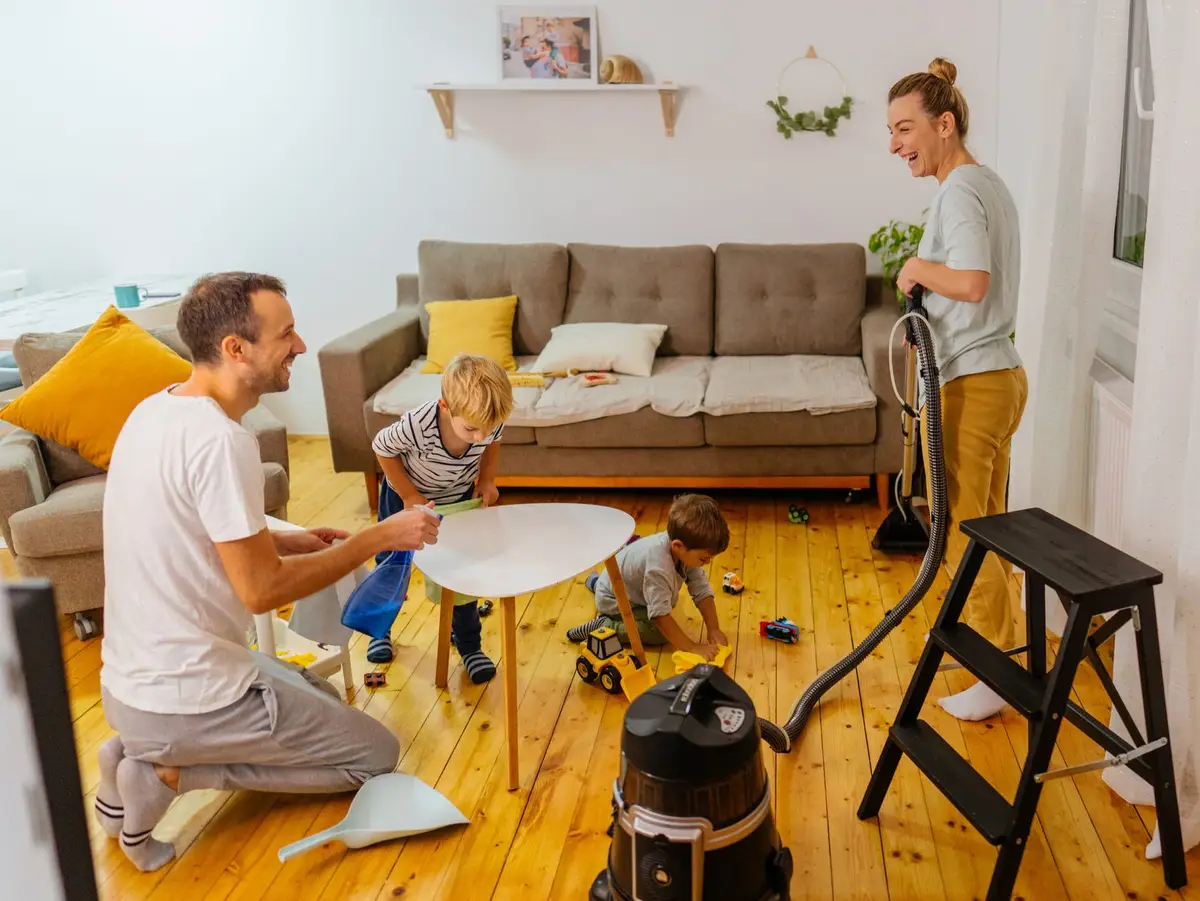
Make Decluttering a Family Activity
Everyone who lives in the home contributes to its organization.
Instead of assigning the entire responsibility to one person, create simple systems that everyone can follow.
Family members can be responsible for their own rooms, personal belongings, or shared areas.
Clear expectations make it easier to maintain a tidy home over time.
Responsible Ways to Remove Unwanted Items
Decluttering does not always mean throwing things into the trash.
Whenever possible, consider whether an item can be:
- Donated
- Reused
- Repaired
- Sold
- Recycled
- Given to someone who needs it
Items that cannot be reused should be disposed of responsibly according to local waste-management rules.
The Benefits of a Decluttered Home
A well-decluttered home can provide several practical benefits.
Easier Cleaning
Fewer unnecessary objects mean fewer things to move or clean around.
Better Organization
Important belongings are easier to locate when everything has a logical place.
More Usable Space
Removing unnecessary items can make rooms feel more open.
Less Daily Frustration
You spend less time searching for things or dealing with crowded surfaces.
More Intentional Living
Decluttering encourages you to think carefully about what you own and why you own it.
Common Decluttering Mistakes
Avoid making the process unnecessarily difficult.
Common mistakes include:
- Trying to declutter the whole house at once
- Keeping things solely because they were expensive
- Buying storage before reducing clutter
- Creating huge “maybe” piles
- Ignoring digital clutter
- Decluttering someone else’s belongings without permission
- Focusing on perfection instead of progress
A practical system that you can maintain is more valuable than a perfect-looking home that quickly becomes cluttered again.
How to Maintain a Decluttered Home
Once you have completed your first major decluttering session, maintenance becomes important.
Set aside a short period every week or month to review areas where clutter tends to return.
Regularly check wardrobes, kitchen cabinets, paperwork, storage spaces, and digital files.
The more frequently you make small decisions, the less likely clutter is to become overwhelming.
Final Thoughts
Home decluttering is not about owning as few things as possible. It is about creating a living environment where the things you own are useful, meaningful, and manageable.
Start small, make practical decisions, donate or recycle what you can, and create simple systems for maintaining your space.
You do not need to transform your entire home overnight. A single drawer, shelf, or room can be the beginning of a cleaner and more organized lifestyle.
With consistent habits and thoughtful purchasing decisions, keeping your home comfortable and clutter-free can become much easier.
Frequently Asked Questions
What is the easiest way to start home decluttering?
Start with one small area, such as a drawer, shelf, or cabinet. Sort the items into keep, donate, sell, and dispose categories.
How often should I declutter my home?
There is no universal schedule. Small weekly or monthly reviews can help prevent clutter from building up again.
Should I throw everything away?
No. Useful items can often be donated, sold, repaired, reused, or recycled.
What should I do with sentimental items?
Keep the items that genuinely matter to you. For duplicates or objects with limited space value, consider photographs or other ways of preserving the memory.
Is buying storage the best way to reduce clutter?
Not always. Declutter first and then choose storage for the belongings you actually need.
How can I stop clutter from returning?
Avoid unnecessary purchases, give belongings designated places, use simple daily routines, and regularly review areas where clutter tends to accumulate.